What to Expect During a Home Inspection
A Step-by-Step Guide for Home Buyers
Buying a home is one of the biggest investments you’ll ever make. A home inspection is your opportunity to understand exactly what you’re purchasing before you finalize the deal. Here’s what you can expect, step by step.
After your offer is accepted, you’ll typically have an inspection contingency period written into your contract. During this time, you’ll hire a licensed home inspector to evaluate the property. It’s important to schedule the inspection as soon as possible to stay within your deadline.
Most inspections take place within a few days of scheduling and usually last between 2–4 hours, depending on the size and condition of the home.
On inspection day, the inspector will arrive with professional tools and equipment. Buyers are encouraged to attend if possible. Being present allows you to see findings firsthand and ask questions as they come up.
The inspector will begin with an exterior evaluation before moving inside.
The inspection typically starts outside. The inspector examines:
- Roof condition (shingles, flashing, visible damage)
- Gutters and drainage systems
- Siding and exterior walls
- Foundation and grading
- Driveways, walkways, and decks
- Windows and doors
They are looking for signs of damage, water intrusion, structural concerns, or deferred maintenance.
Next, the inspector evaluates the structural components of the home, including:
- Foundation walls
- Crawl space or basement
- Framing (visible areas)
- Signs of settlement or cracking
Small cracks are common, but the inspector will note anything that may indicate movement or structural issues.
The inspector checks:
- Roof surface (from ground, ladder, or roof access if safe)
- Attic insulation and ventilation
- Signs of leaks or moisture damage
- Proper airflow
Ventilation and moisture control are critical to preventing mold and premature roof failure.
Inside the home, the inspector tests:
- Faucets and fixtures
- Water pressure
- Drain function
- Water heater condition
- Visible supply and drain lines
They check for leaks, corrosion, improper installations, or aging components.
The electrical panel is carefully examined for:
- Proper wiring
- Breaker condition
- Safety concerns
- Grounding and bonding
Outlets and switches are tested throughout the home.
The inspector will operate the heating and cooling systems (weather permitting) to ensure they function properly. They assess:
- Furnace condition
- Air conditioning operation
- Ductwork
- Filter condition
Inside the home, the inspector reviews:
- Walls and ceilings
- Floors
- Doors and windows
- Stairs and railings
- Appliances (if included)
They are identifying safety hazards, cosmetic issues, or functional problems.
After the inspection, you will receive a detailed digital report, often within 24 hours. The report includes:
- Photos of findings
- Descriptions of issues
- Safety concerns
- Maintenance recommendations
It’s important to understand that no home is “perfect.” The goal of the inspection is to identify material defects and help you make an informed decision — not to “pass” or “fail” the house.
After reviewing the report, you can:
- Request repairs
- Negotiate price adjustments
- Accept the property as-is
- Walk away (if allowed by your contract)
Your agent will guide you through this process.
Whether you are buying, selling or maintaining your home, CR Inspection Services, LLC provides professional and quality service from the moment you call us. Our certified home inspectors will walk through your home with you and teach you as much as you want to learn. We strictly follow the Standards of Practice for home inspectors established by InterNACHI, the leading home inspection association.
After we walk through the home together, we will explain the general condition of the home and systems with you and your agent. We will talk through any major issues that need to be addressed sooner rather than later. We will also mention the items that you will want to keep an eye on for deferred maintenance. All of this will be detailed in our easy-to-read Spectora report, which will be delivered in HTML and/or PDF format. From that report, you will be able to see the items we discussed, with images for reference.
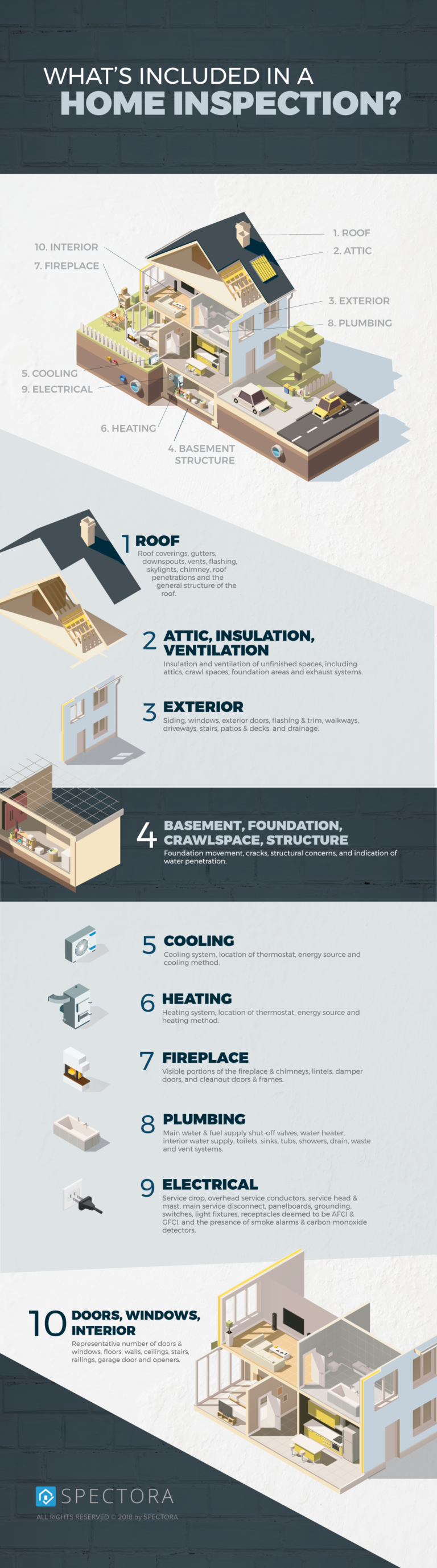
Roof
The roof is one of the most costly and important structures. We will examine the roof, its structure, shingles/tiles, flashing, gutters, downspouts and more.
Exterior
This includes the exterior walkways and doors, siding, eaves and soffits, fascia, paint, and other such elements of the home’s exterior.
HVAC
We will visually inspect the HVAC systems including ducts, filters, furnaces and air conditioning units.
Plumbing
We will visually inspect plumbing fixtures for proper function, including tubs, sinks, hoses, showers, and water shut-off valves, and look for leaks and other such flaws.
Electrical Systems
We will visually inspect both interior and exterior electrical systems including service drops, service masts, grounding, outlets, meters, circuit breakers, and other such systems.
Appliances
We will test and examine all major appliances like water heaters, washers and dryers, dishwashers, refrigerators, freezers, and more.
Doors, Windows & Interior
We will check doors and windows for proper sealing and drafts, signs of mold or water damage, and more. We will also check the condition of all interior spaces.
Foundations & Crawl Spaces
We will examine the foundation, crawlspaces and basements to look for signs of things like past water damage, foundation cracking or shifting, and other such potentially expensive issues.
Attic, Ventilation & Insulation
We will examine the attic to ensure it is properly ventilated, check for mold and moisture, assess the level of insulation, and more.
Our inspectors are fully trained and licensed based on the InterNachi standards of practice. Our inspectors prioritize InterNachi SOP before any company expectations or requirements to ensure your home is inspected using the most modern practices.
Visit InterNachi’s Standards of Practice here: https://www.nachi.org/sop.htm